The Organic Vegetable Garden

Why Having Your Own Organic Vegetable Garden Is the Best Modern Trend

As food prices rise and people have become more informed and aware of the harmful effects of pesticides and genetically modified foods, more and more people are considering the idea of planting their own organic vegetable garden in their homes. This type of home veggie patch offers many benefits to your pocket and your health, however, lots of people shy away from it because they are worried that it is too difficult to grow your own food without the use of chemicals to ensure that your vegetables survive and are not harmed by garden pests. This is in fact not the case because if you create and care for your garden properly, you can easily enjoy your own home-grown veggies in an organic, eco-friendly way.

Benefits of Eating Organic Vegetables
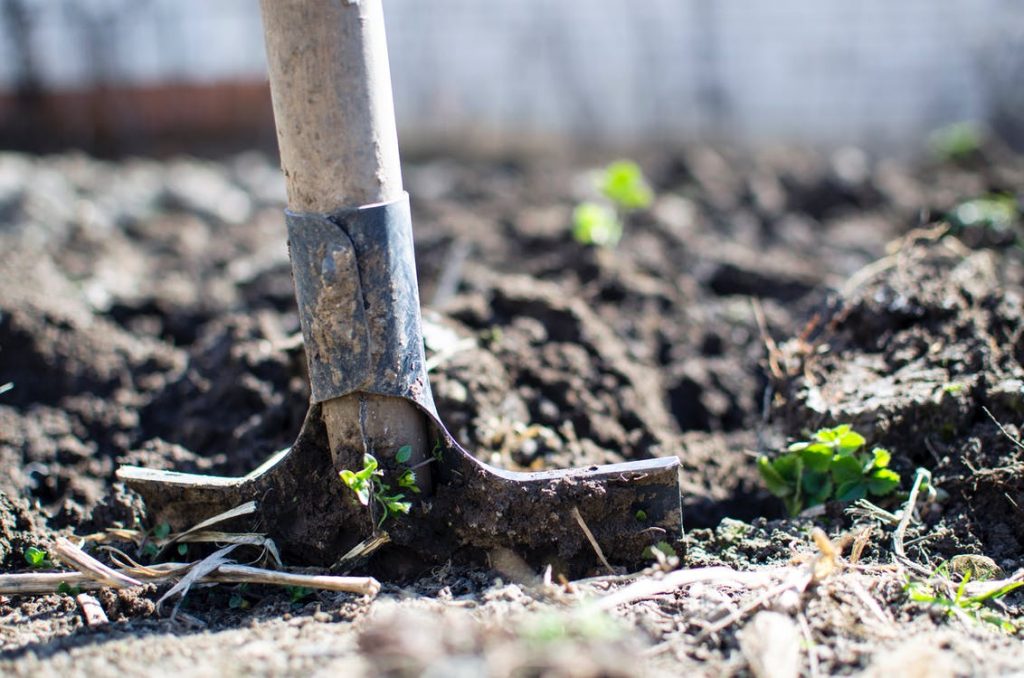
Having your own organic vegetable garden means that you and your whole family can enjoy healthy, tasty food that you have neutered and cultivated yourself. People are often confused about what exactly growing an organic garden means and what are the health benefits associated with eating a carrot you have pulled from the dirt in your backyard rather than the ones you buy in a plastic packet from the supermarket.
The most basic definition of organic food is that it is free from any chemical enhancements that have been used to help it grown, rid it of decease and kept it preserved for longer. The growing of commercially farmed food heavily relies on fungicides, herbicides. and insecticides, and there is a risk that these chemicals may leave residue deposits on and in the food. This type of farming is also not favourable for the environment as it has harmful effects on birds, insects and micro-organisms that keep the environment healthy as well as taints groundwater.
Organic food also tends to be fresher since it holds no chemicals to extend its shelf life. The downside of this type of more naturally farmed food is that it tends to be smaller, have blemishes or strange shapes. However, people are realising more and more that the benefits of growing and eating organic food far out ways the effects this has on how the food looks.

It All Starts With Sun and Dirt

Now that you have decided to try your gardening skills at creating your own organic vegetable garden, it is important to do it right from the start as this will help to make sure that you are not dependent on any chemical assistance to ensure your veggies stay healthy and pest free. One of the first factors that you need to consider is where you want to place your veggie patch and how much space you will need in your garden to suit the amount of food you would like to grow.
It is important to choose a location that is level and which does not get too much wind. This is so that water does not pool or run off and wind will parch the soil and damage young plants. Your organic vegetable garden will also require plenty of sun and ideally you should have it in a site that will get between six to eight hours of daylight during the primary growing season. If you cannot achieve this, then you will need to consider only planting vegetables that prefer more shady conditions.
It is also important to know exactly how rich your soil is. One of the key factors in organic gardening is to provide your plants with the right amount of nutrients to make sure that they grow healthy and slowly. Fast growing vegetables tend to be softer, less resistant to desease and if they mature early in the growing season they will be at a higher risk of being susceptible to all the juvenile insects that are very hungry during spring and early summer. You can buy soil testing kits or consult an expert at your local garden centre to make sure that you have the optimum blend of organic matter and soil.
Make sure that you also free your planned vegetable patch of any grass or weeds, and dig it deep enough to remove any roots that might resprout. It is important to also create a deep base to offer plenty of growing room and to fill it with organic based compost. Garden centres readily supply a great variety of organic fertilisers and compost mixes for you to choose from to ensure your veggies patch has everything it needs from the start.

Grow, Move and Grow Again

Once you have prepared your organic vegetable garden patch you will need to decide what variety of food you would like to grow. It is important to only select organically grown plants and seeds as these will be free of any chemicals that might have been picked up from pesticides and commercial fertilisers. Organically harvested seeds also come from organically grown plants that are likely to have already built up a natural resistance and hardiness which they will pass on to the next generation.
Organic vegetable gardens like to be harvested frequently and it is better to enjoy semi-mature plants than to let the vegetable stay in the soil too long and to put them at risk of developing damage or disease just because you would like your carrots to grow a little larger. Rather harvest early and plant new veggies that can grow later in the year. An important component to ensure that your plants stay healthy and thrive is to avoid planting the same variety in or near the same spot again and again. This can allow diseases that affect that specific plant family to build up in those patches. To prevent this from happening you must make sure to regularly shift your veggies around each time you plant new ones.

Waste Not, Want Not

Another benefit to owning an organic vegetable garden is that none of your natural waste from your garden or kitchen will be thrown away. Keeping a healthy, organic soil is crucial to a productive and healthy veggie garden that produces delicious food again and again. In order to achieve this, you need to feed your soil regularly with organic matter such as compost, peat or manure from animals that eat plants. Doing this on regular bases will make sure that you can get big, delicious vegetables without the need for any artificial or environmentally harmful chemicals.
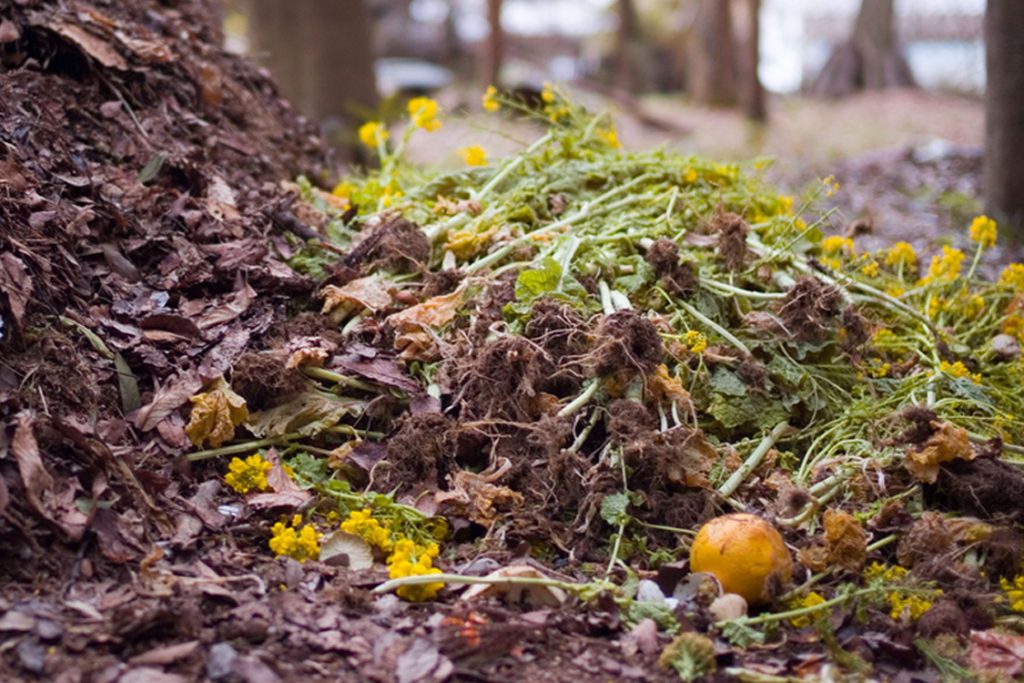
Creating a compost heap is essential as it gives you a place to deposit all your grass cuttings, peelings, organic eggshells and raked up leaves. Once this natural waste has decomposed enough you can use it to feed your garden and to regularly coat the surface of your soil to not only feed it nutrients, but to also keep the ground moist and discourage pests such as worms and snails who do not like to cross such surfaces. If you do not have enough of our own natural waste to feed your garden, you can use weed free straw as a cover, as well as green compost varieties that are available at your local garden shop.

Weed Out Those Pesky Pests

A well established organic vegetable garden will benefit from good soil, the right amount of sun, nutrients and water to grow lovely, delicious and healthy food, as well as regular care. These types of veggie gardens love attention and you should keep a close eye on yours to ensure that it is thriving.

– Weeds should never be allowed to sprout, as they can drain the soil of important nutrients, can be both harmful to your vegetables, especially early in the going season when your plants are still soft and immature, and weeds also compete for sunlit and water. Another factor is that many harmful insects are attracted to the pungent smells and fleshy leaves or steams that weeds have. So you should make sure to weed your garden almost daily.

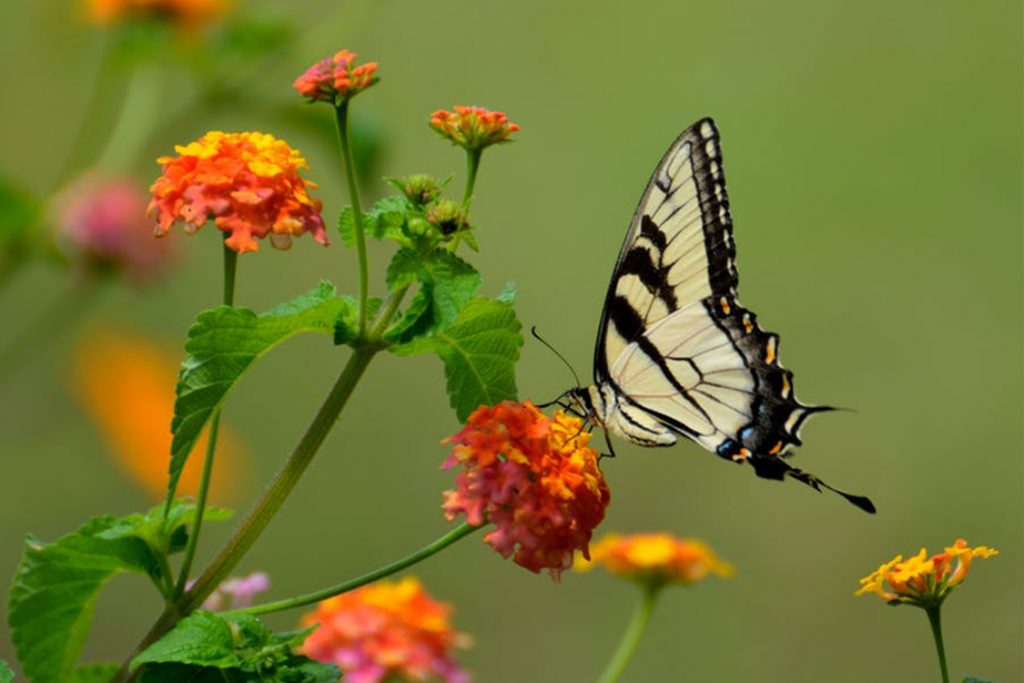
Keeping an eye out for pests is also important. Any snail trails or munch marks on your leaves should be notes. Inspect your garden daily for any unwanted pests, especial at the plant bases, in shady spots or on the underside of leaves early in the morning or in the afternoons when the weather is warm, but not hot. It is important to remember that the saying “no caterpillars, no butterflies” so be kind to nature and rather remove your unwanted pest to another location or garden where they will not be a problem rather than killing them.
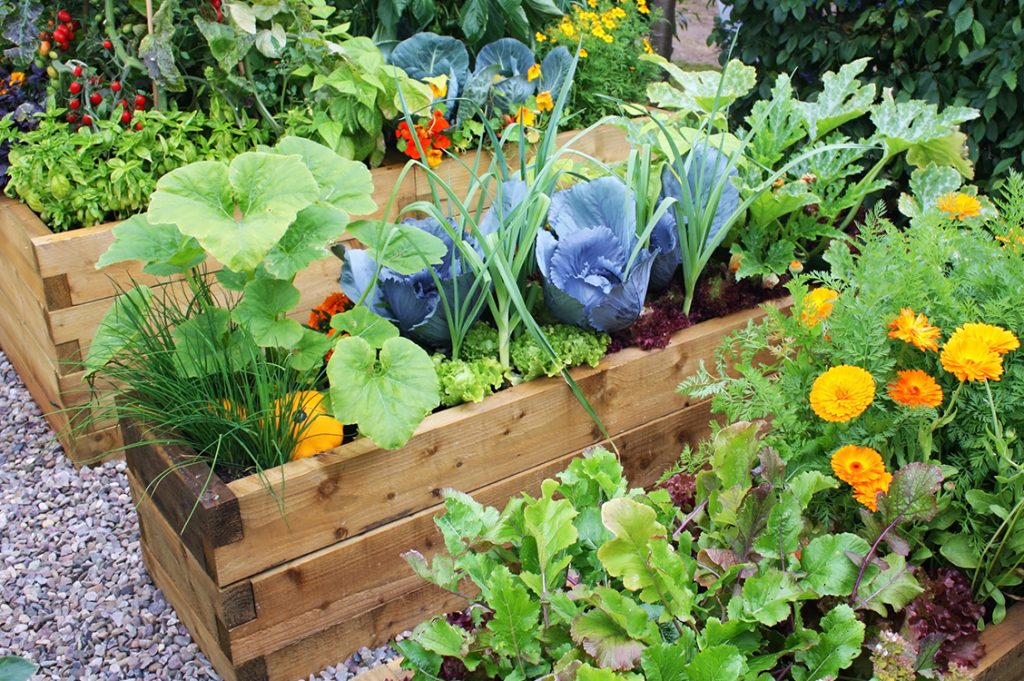
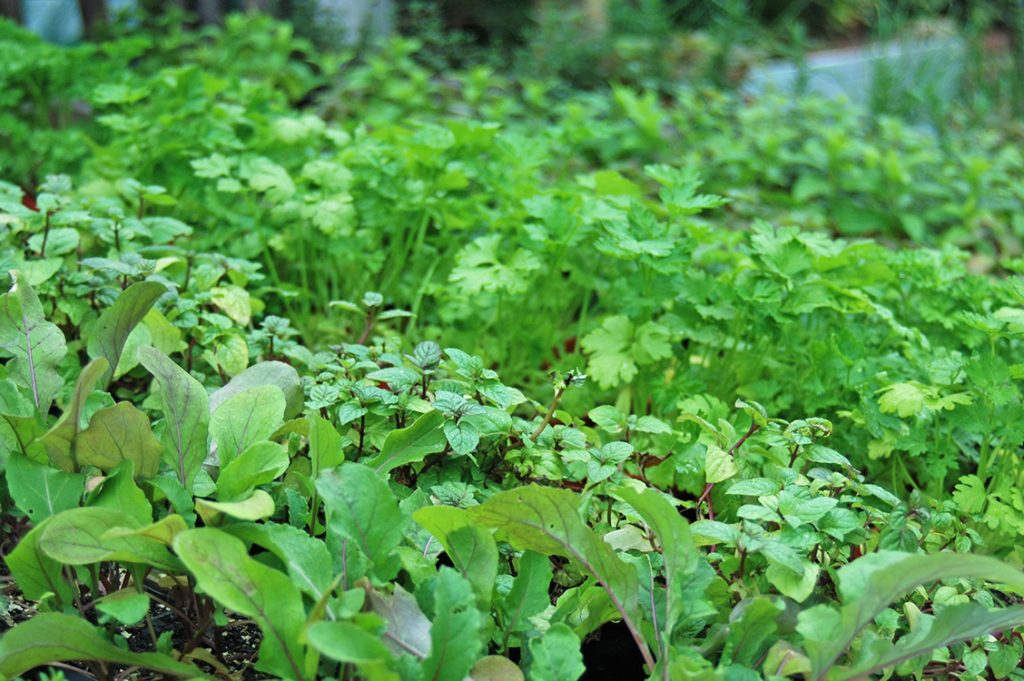
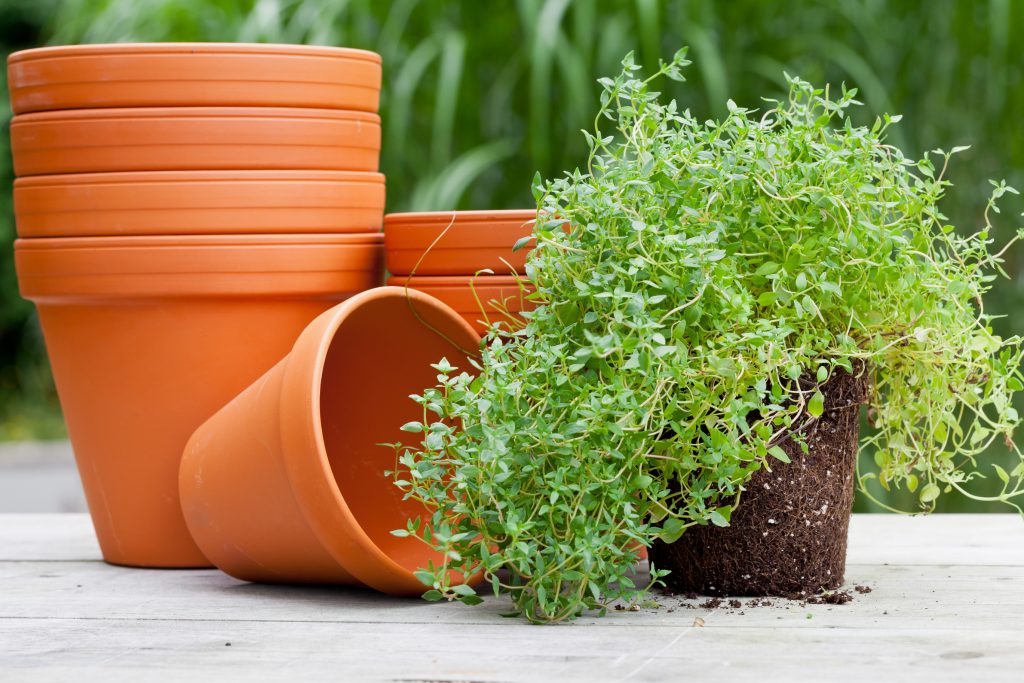
If pests are a persistent problem then look into what herbs help to discourage unwanted visitors to your organic vegetable garden. There are many varieties that both discourage harmful insect and which attract beneficial ones. If you are unsure of which plants to choose, then ask the assistance of your local garden centre which will be able to give your advice, as well as provide you with seeds or herb plants to help keep your veggie garden healthy and environmentally friendly.